
History to Memory
Guest Essay to mark Yom Hashoa 5786

Michelle Rose is a Toronto mom of two and a proud third-generation descendant of Holocaust survivors. Actively engaged in Holocaust education, she was one of the inaugural chairs of the recent History to Memory trip, and is committed to keeping survivor stories alive for her children and next generations to come.
From March 12 - 23, I participated as a leader on the first History to Memory trip to Poland and Hungary.
I was terrified to go on this trip.
Not because of the logistics, though those sat quietly in the background like they always do. Not because of the responsibility, though it was immense. I was terrified because I had been here before.
Nine years ago, I stood in these same places with my grandmother and the man who is now my husband, on the March of the Living. I was there as a chaperone, but I was still being guided through a story that felt heavy, yet somehow distant. I was listening, learning, trying to understand what it meant to inherit something I hadn’t lived.
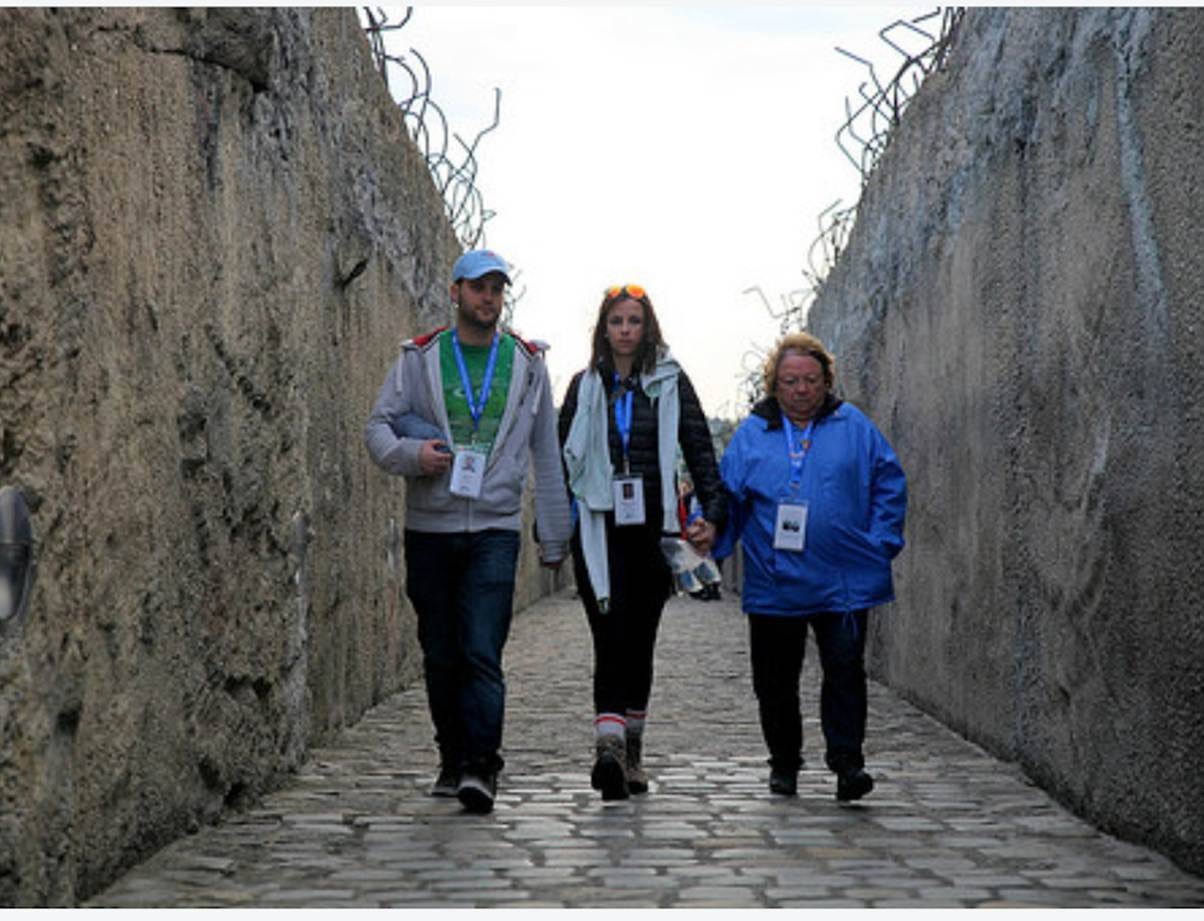
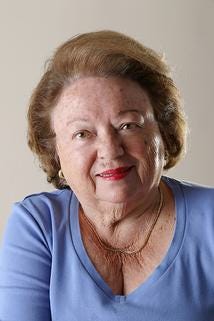
I walked beside my grandmother - Anita Ekstein - hearing pieces of her story in the places where they had unfolded. I wanted to fully grasp it, to hold it properly, but I didn’t yet know how.
I left that trip changed, but still, in many ways, protected.
This time, I returned as a mother, and that changed everything.
I wasn’t walking through these places asking, “What happened here?” I was walking through them knowing exactly who I would be in that story. Not a visitor, but a mother grasping onto her children, incapable of letting go.
This is where “History to Memory” begins
History is his story, something that happened to someone else, sometime else. Memory is my story, something that lives inside me, shaping who I am right now. The “History to Memory” program was created to bridge that gap.
History to Memory is a next-generation led journey that brings students through the physical spaces of the Holocaust, not only to learn what happened, but to understand what it means to carry those stories forward when survivors are no longer here to share them themselves.
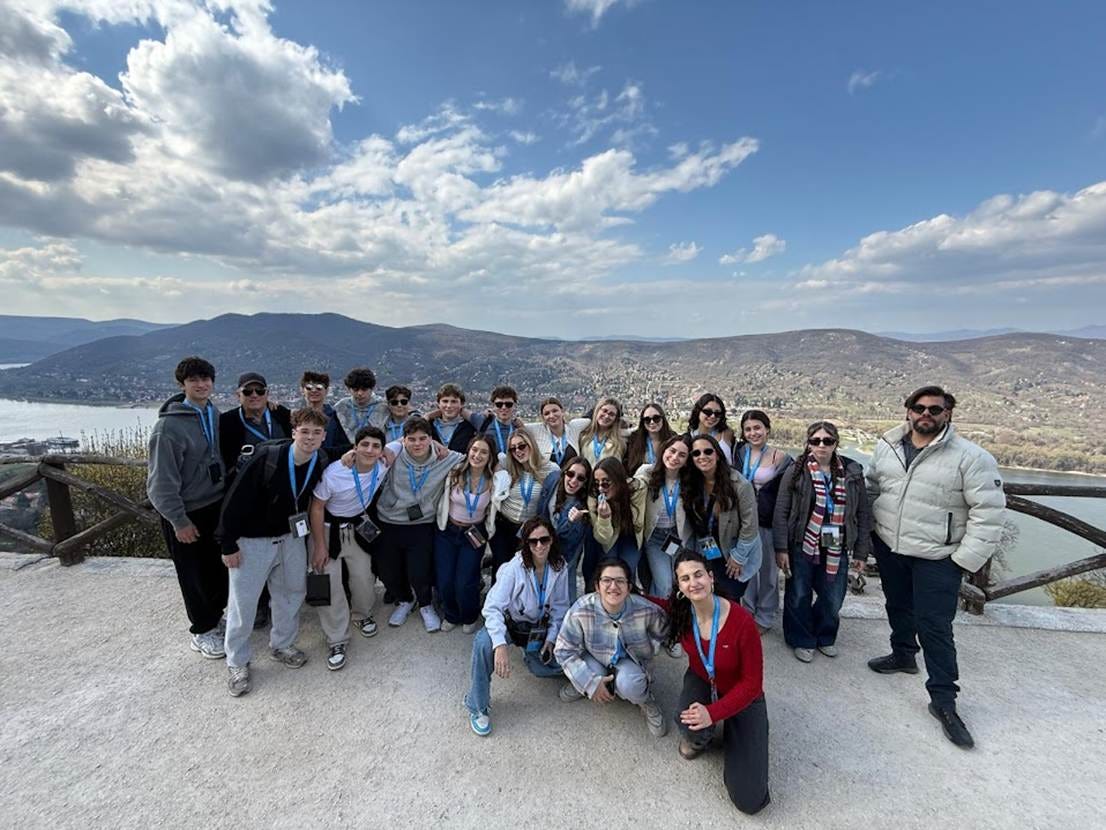
It is not intended to replace the March of the Living. It walks alongside it, opening another path for the next generation to step forward and take ownership of memory in their own way. The question is no longer only how we remember, but who will remember next, and how.
This trip has never been just history for me. It is my family.
My grandmother Anita survived because someone chose to act. At 18 years old, a young woman named Lucia, later recognized as a Righteous Among the Nations, pushed my seven-year-old grandmother out of a window, saving her life. That single act created everything that came after: me, my family, my children.
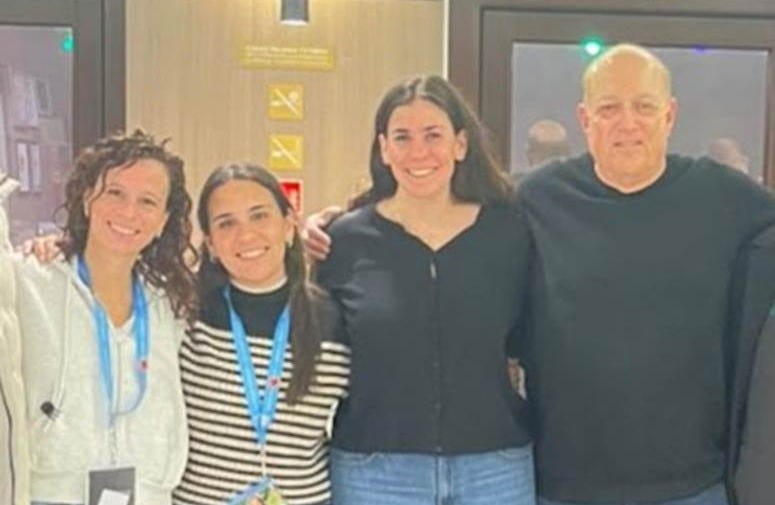
There is a quiet shift that happens when you stop absorbing a story and become responsible for carrying it. This trip was built on that shift. And for me, it wasn’t only something I experienced, but something I helped lead, serving as Co-Chair alongside Brian Demone. Together, with an extraordinary team, we carried both the responsibility and the privilege of guiding this journey.
There
At both Auschwitz II-Birkenau and Majdanek, there were moments that stopped the students in ways no formal lesson ever could. It wasn’t just what happened there, but where it happened.
Standing near the remains of Crematorium V in Birkenau, beside the ash pits, you can look through the trees and see houses, close enough to make your mind resist what your eyes are telling you. In Majdanek, the city of Lublin sits less than two kilometres away.
The students kept asking the same question: How did people live here? And beneath that: What does it mean when the unthinkable becomes something people learn to live beside?
That question didn’t stay in Poland. It followed us home.
Here
In Toronto, students are starting to feel unsafe on campus. Security is everywhere. There’s a growing sense that people are learning to live alongside things that would once have been rejected outright. Not suddenly. Quietly. Incrementally. Until it begins to feel normal.
This isn’t the same, not in scale or form. But the unease comes from recognizing how easily goalposts shift, how quickly silence takes hold, and how fast people adjust to what once felt unacceptable.
That normalization is where the risk lies. Because the lesson isn’t just about what happened before. It’s about whether we notice it happening now.
The shift
Walking through Birkenau this time was not the same. Nine years ago, I walked through as a granddaughter. This time, I walked through as a mother, and I couldn’t ignore the thought that followed me with every step: My husband would have been sent one way. My sons and I, another.
That realization doesn’t stay in your mind. It settles into your body.
When I finally walked out of Birkenau, Jewish and free, something in me broke open in a way I couldn’t control.
At that exact moment, my phone rang. It was my sons, calling to say good morning before school, entirely unaware of where I was standing. A simple, ordinary moment, that was completely un-ordinary.
If the absence of survivor on the trip felt noticeable at first, it didn’t take long to understand they were still with us.
Inside the barracks of Birkenau, students stood where Nate Leipciger once stood as I listened to his words, not as something from the past, but as something still speaking. At Majdanek, standing near the memorial dome, we played Bill Glied’s “I Am a Jew” speech. His voice carried through a place built to silence voices, and something shifted.
And for me, these stories are not distant. I don’t just carry their words. I carry relationships, which makes the responsibility feel different, heavier, but also more alive.
Connecting the past
That understanding came to life in a way I’ll never forget. We were joined by Marta, the granddaughter of Lucia, the woman who saved my grandmother’s life.
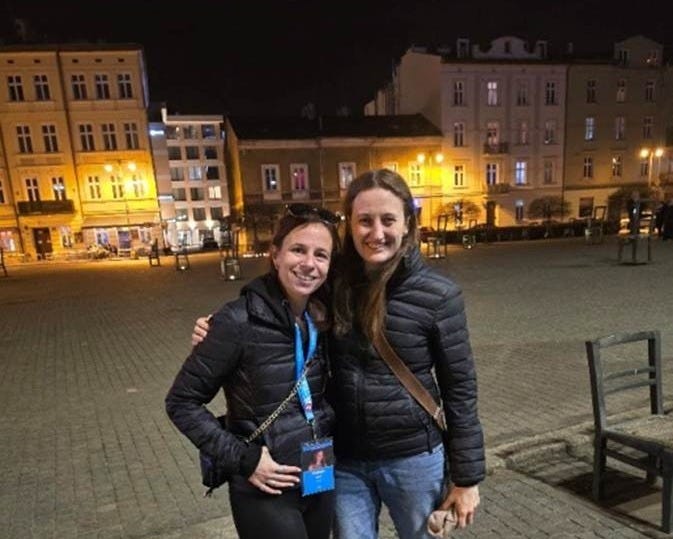
For a short time, the past and present sat at the same table. The students asked questions, they listened, they connected.
And I watched something I don’t think I’ll ever fully be able to explain: the descendant of the woman who saved my family sitting with the next generation who will carry that story forward. That’s the whole purpose of the trip right there.
Hungary
When the trip was first conceived, we were meant to continue on to Israel. But the ongoing war changed our plans. Instead, we shifted to Budapest, not as a replacement (there is no replacement for Israel), but as a continuation, a space where we could keep learning, keep reflecting, and begin, even slightly, to lift our spirits after the weight of Poland.
And in many ways, that shift became part of the story itself.
Because the story of this trip does not live only in the camps. It lives in the in-between. In late nights, where exhaustion gave way to honesty. In quiet moments, where no one needed to fill the silence. In laughter that still found its way in, not in spite of where we were, but because of who we were together.
Even in a ten-hour train ride that felt endless, where time seemed to stretch in ways none of us were prepared for. At some point, seats stopped being seats. Snacks became meals. Personal space disappeared. There was a level of exhaustion that made everything funnier than it should have been, and just enough chaos to make it unforgettable.
There is something deeply human in that contrast: to stand in places of unimaginable loss, and still choose connection, still choose presence, still choose each other.
That, too, is part of memory.
Trips like this don’t happen alone. This experience was carried by a team that showed up fully, every single day, people who understood the responsibility without needing it explained, who held space for the students and for each other.
And this is where the purpose becomes clear.
This program is not about learning history. It is about preparing the next generation to carry it, not as something distant, but as something that now belongs to them.
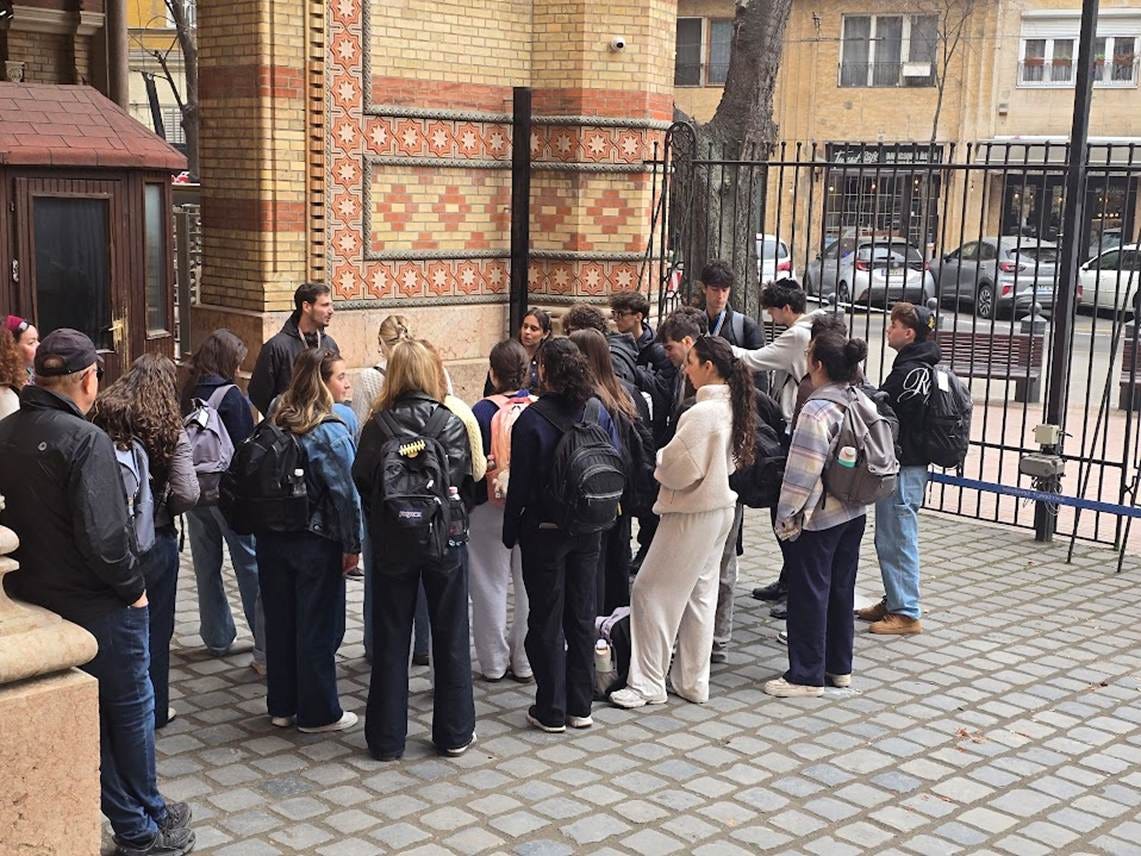
Because one day, they will be the ones standing in front of others, telling these stories. One day, they will be the bridge. And if we do this right, they won’t just repeat what they were told. They will speak with their own voices.
And beyond them, there is another generation already waiting.
My sons
Too young to fully understand now, but growing up in a world where these stories will one day be theirs to carry.
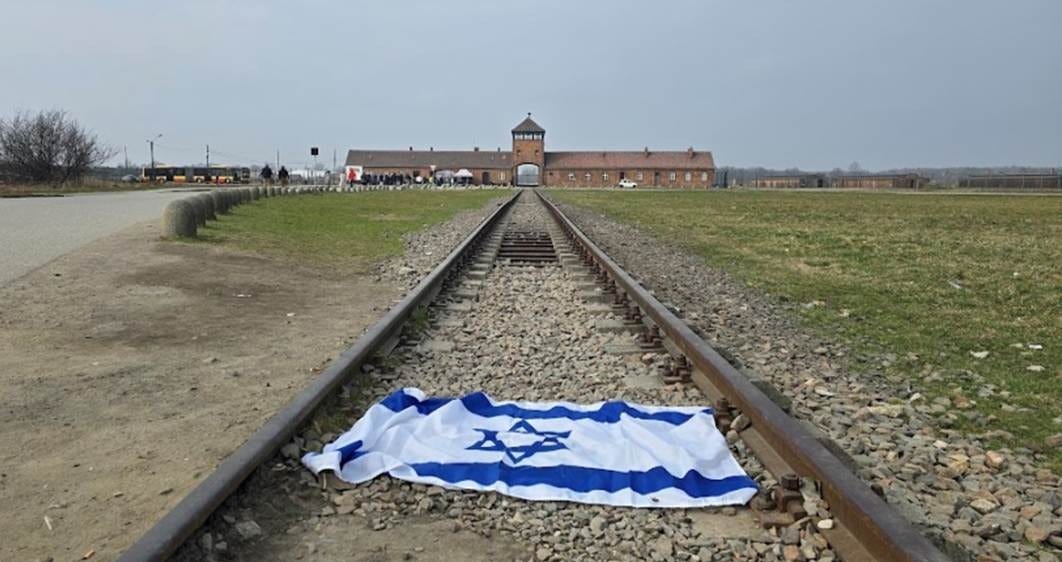
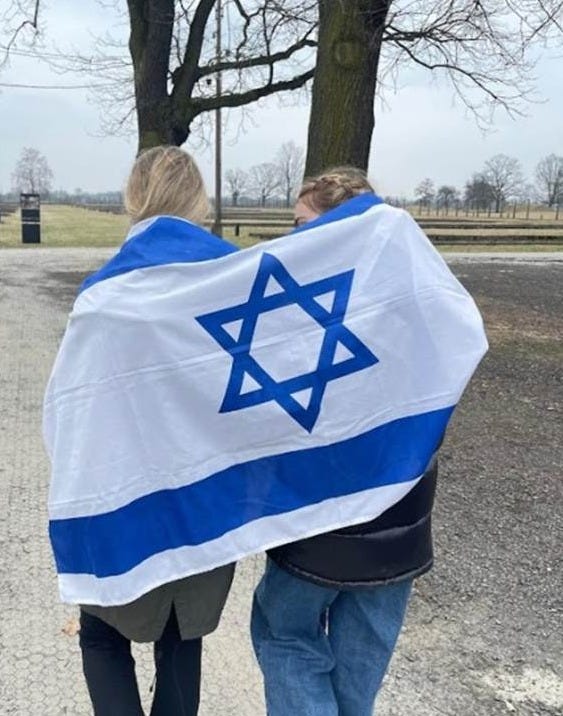
There is a photo from this trip of a flag lying across the train tracks leading into Birkenau, a symbol of a present that exists because of a past that almost erased it. There is another of students wrapped in that same flag, walking forward, not away from history, but through it, carrying it.
I came on this trip afraid of what I would feel.
I left with something else entirely.
Not answers. But responsibility.
My grandmother can no longer tell her story the way she once did. But that doesn’t mean her voice is gone. It means it’s been placed in new hands, in mine, in the hands of the students who walked this journey with us, and one day, in the hands of my sons.
History becomes memory only when someone chooses to carry it forward.
And after this trip, I know they will.
 |
|
Thank you Michelle for capturing the essence of some of my most memorable MOTL moments, from my trip in 2011. Wishing you every success with your next-gen program. Am Yisroel Chai.